


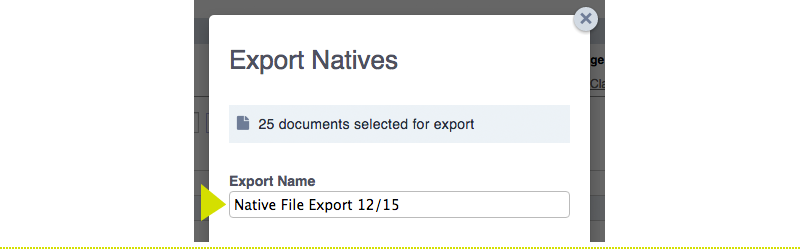
Before we get into the topic of native file exports – does the term “native files” strike anyone else as a bit oxymoronic? To me, “native” denotes original, first, new, beginning – while “files” suggests history, organization, hierarchy. Something “native” shouldn’t have files yet! Just one more reason why this subject can be confusing. As…
read moreAn efficient ediscovery process starts with getting potentially relevant ediscovery files collected quickly. Nextpoint just made getting ediscovery data from clients, IT staff, litigation support managers, opposing counsel – or whomever you need data from – as simple as sending an email. Nextpoint users can now securely request files from anyone by providing timely access to a dedicated…

read moreAre you directing your ediscovery collections with maximum efficiency and speed? Data collection can be the most complex and technically rigorous of all ediscovery phases. It involves the extraction of potentially relevant electronically stored information (ESI) from its native source into a separate, secure repository for review. The collection process should be comprehensive without being over-inclusive. It…
read moreWhat is a native file? It’s one question we hear time and again from many clients, or “Do I really need natives in litigation?” Most litigators have heard that the native file format is important in modern litigation. However, many eDiscovery reviewers never even see or use a native file in their work. The short…
read moreThink social media case law is only for special cases? Are you still wondering if it applies to your practice? In the past couple of years, social media evidence has become central to more and more matters, including all kinds of civil and criminal cases. We’ve seen more clients using our products to collect social…
read more